S&P 500 Technical Analysis: Key Support & Resistance Levels for 2026
A comprehensive guide to S&P 500 Technical Analysis in 2026. Learn strategies, risks, and opportunities for investors looking to optimize their portfolio.

Priya Patel
Tech Columnist

S&P 500 Technical Analysis: Key Support & Resistance Levels for 2026
In the rapidly evolving financial landscape of 2026, understanding S&P 500 Technical Analysis has become more critical than ever for investors. This comprehensive guide explores every dimension of S&P 500 Technical Analysis, providing actionable insights backed by data and expert analysis from leading financial institutions.
Whether you are a seasoned investor or just beginning your financial journey, mastering S&P 500 Technical Analysis can give you a significant edge in today's complex markets. As discussed in our guide for beginners, building a solid foundation is key to long-term success.

Understanding S&P 500 Technical Analysis: Core Concepts and Framework
Global economic interconnectedness means that events in one region can have far-reaching effects on markets worldwide. Understanding these cross-border linkages helps investors anticipate potential risks and identify opportunities that may not be immediately apparent from a purely domestic perspective.
Liquidity considerations are often overlooked by individual investors but can have a significant impact on overall portfolio performance. Understanding the liquidity profile of your investments ensures that you can access your capital when needed without incurring excessive transaction costs or price impact.
Key Principles of S&P 500 Technical Analysis
Tax efficiency is another critical factor that can substantially affect net investment returns over time. Utilizing tax-advantaged accounts, implementing tax-loss harvesting strategies, and understanding the tax implications of different investment vehicles are all essential components of a comprehensive financial plan.
- Risk Management: Understanding and quantifying risks associated with S&P 500 Technical Analysis is the first step toward successful implementation in any portfolio.
- Return Optimization: Maximizing risk-adjusted returns requires a disciplined approach grounded in data analysis and proven methodologies.
- Diversification: Spreading exposure across multiple factors and asset classes helps reduce concentration risk and improves portfolio resilience.
S&P 500 Technical Analysis in 2026: Current Market Landscape
Risk management should always be at the forefront of any investment decision. While the potential for high returns can be enticing, it is equally important to understand the downside risks and implement appropriate safeguards. Diversification, position sizing, and regular portfolio rebalancing are foundational practices that help mitigate potential losses.
According to Reuters, the current environment presents unique challenges and opportunities for investors focused on S&P 500 Technical Analysis. Market conditions have shifted considerably compared to previous years, requiring updated strategies and approaches.
Recent Trends and Developments
Institutional capital flows have been a major driver of market trends in 2026. The movement of large pools of capital from pension funds, sovereign wealth funds, and endowments can create significant momentum in specific sectors and asset classes, often ahead of retail investor participation.
The importance of due diligence cannot be emphasized enough. Before making any investment decision, thorough research into the underlying fundamentals, competitive positioning, and growth prospects is essential. Relying solely on market sentiment or social media hype often leads to poor investment outcomes.
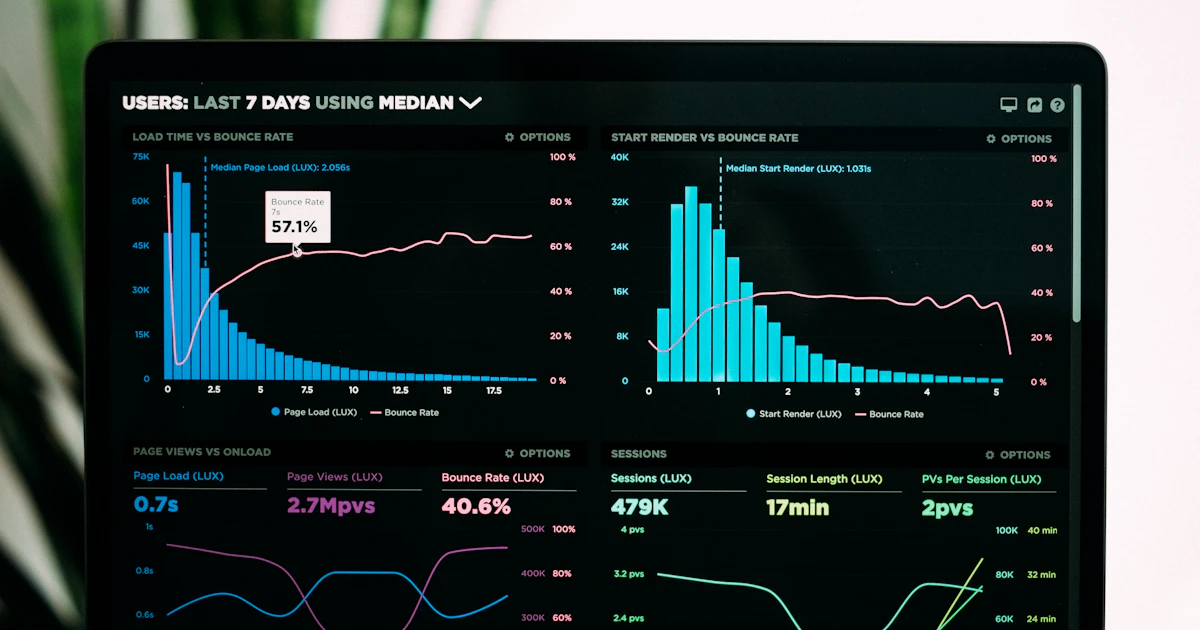
How S&P 500 Technical Analysis Impacts Your Investment Strategy
Professional financial advisors often recommend a multi-layered approach to investing that combines fundamental analysis with technical indicators. This integrated methodology helps investors identify both long-term value opportunities and optimal entry and exit points for their positions.
For investors looking to optimize their approach, our article on related investment strategies provides additional context and practical recommendations that complement the insights discussed here.
Practical Implementation Steps
- Assess your current portfolio allocation and identify areas where S&P 500 Technical Analysis can add value.
- Research and evaluate the specific instruments and vehicles available for implementing S&P 500 Technical Analysis.
- Start with a modest allocation and gradually increase exposure as your understanding deepens.
- Monitor performance regularly and adjust your approach based on changing market conditions.
- Consider consulting with a qualified financial advisor who specializes in S&P 500 Technical Analysis strategies.
Risks and Considerations for S&P 500 Technical Analysis
One of the most important considerations for investors in 2026 is the impact of macroeconomic factors on portfolio performance. Interest rate policies, inflation expectations, and global trade dynamics all play crucial roles in determining which strategies are most likely to succeed in the current environment.
Data from CNBC suggests that while S&P 500 Technical Analysis offers compelling opportunities, investors must be mindful of potential downsides including market volatility, liquidity constraints, and regulatory uncertainty.
Mitigation Strategies
Understanding the core principles behind this topic is essential for making informed investment decisions in 2026. The financial landscape has shifted dramatically over the past few years, driven by technological innovation, regulatory changes, and evolving market dynamics that continue to reshape how investors approach their portfolios.
As we explored in our comprehensive risk management guide, diversification and position sizing remain the most effective tools for managing downside risk in any investment strategy.

Expert Analysis and Future Outlook for S&P 500 Technical Analysis
Historical data consistently demonstrates that investors who maintain a disciplined approach and adhere to proven strategies tend to outperform those who chase short-term trends. The key is to develop a systematic framework that accounts for both upside potential and downside risk, ensuring that your portfolio remains resilient across various market conditions.
The outlook for S&P 500 Technical Analysis remains positive, supported by strong fundamentals and growing institutional adoption. However, investors should remain vigilant and prepared for potential market dislocations that could create both risks and opportunities.
Conclusion: Key Takeaways on S&P 500 Technical Analysis
Understanding and effectively implementing S&P 500 Technical Analysis strategies can significantly enhance your investment outcomes in 2026 and beyond. The key takeaways from this guide include the importance of thorough research, disciplined risk management, and maintaining a long-term perspective.
By combining the principles outlined in this article with your own due diligence and professional financial advice, you will be well-equipped to navigate the complexities of S&P 500 Technical Analysis and make informed decisions that align with your financial goals.
Frequently Asked Questions About S&P 500 Technical Analysis
What is S&P 500 Technical Analysis?
S&P 500 Technical Analysis refers to a key concept in modern finance that helps investors make informed decisions. Understanding S&P 500 Technical Analysis is essential for building a resilient portfolio in 2026.
How does S&P 500 Technical Analysis affect my investments?
S&P 500 Technical Analysis can significantly impact portfolio performance. Investors who understand S&P 500 Technical Analysis are better positioned to manage risk and capitalize on market opportunities.
Is S&P 500 Technical Analysis suitable for beginner investors?
Yes, S&P 500 Technical Analysis can be approached at various levels of expertise. Beginners should start with fundamentals and gradually build knowledge before making significant investment decisions.
What are the risks associated with S&P 500 Technical Analysis?
Like all investment strategies, S&P 500 Technical Analysis carries inherent risks including market volatility, liquidity risk, and macroeconomic factors. Proper due diligence is essential.
How can I get started with S&P 500 Technical Analysis in 2026?
To get started with S&P 500 Technical Analysis, begin by educating yourself through reputable financial resources, consult with a qualified advisor, and start with a small allocation to test your understanding.

Personal finance expert and certified financial planner (CFP). Specializes in retirement planning, tax optimization, and wealth building strategies.


